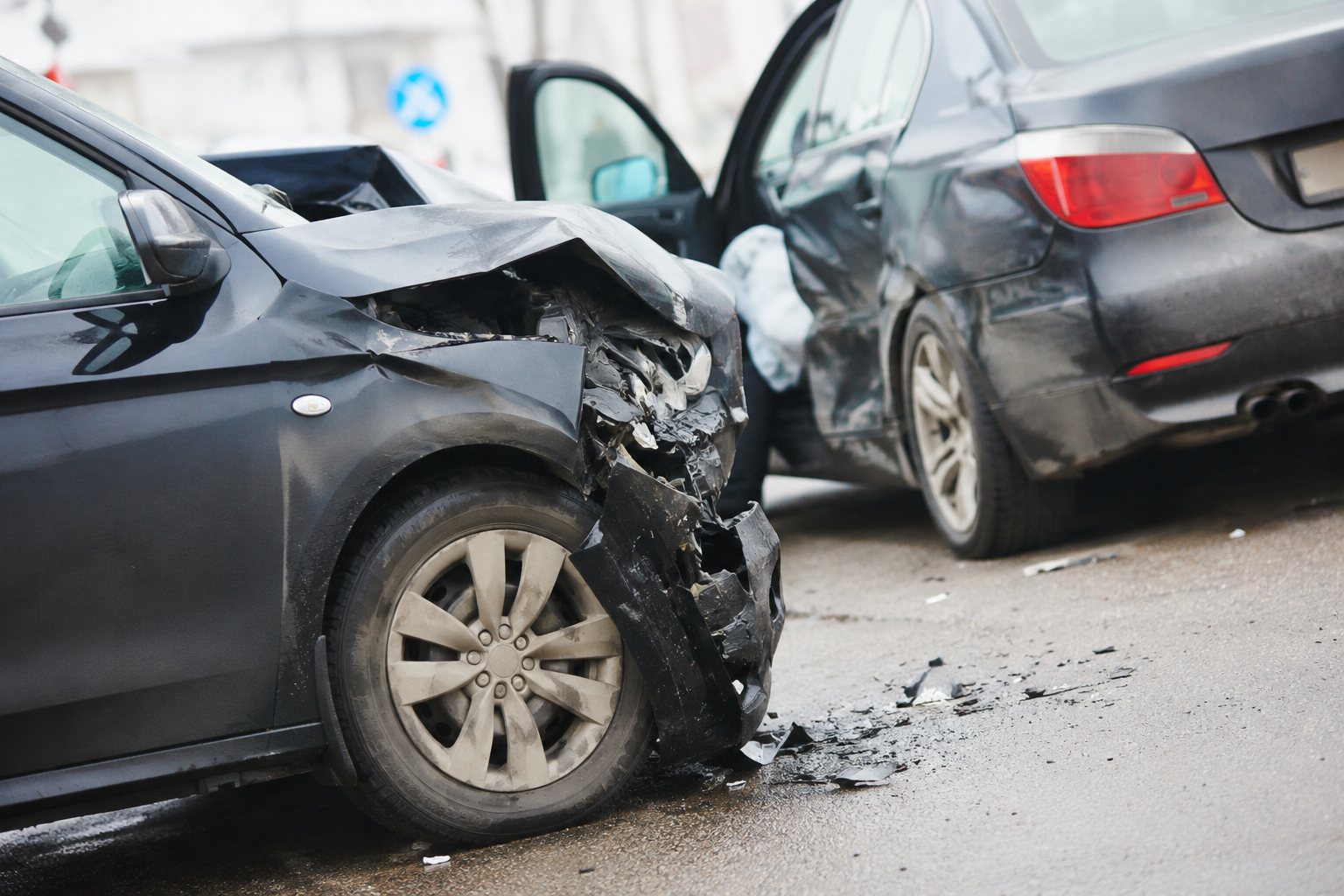
Car Accident Statistics in NJ, PA & VA: 2026 Crash Data, Injury Trends & Key Causes
Car accidents remain one of the most devastating and costly events in American life. New Jersey, Pennsylvania, and Virginia sit at the intersection of the most congested corridors on the East Coast and the numbers prove it.
- The U.S. recorded 6.14 million annual crashes generating 2.44 million injuries in the most recent reporting cycle
- The personal injury legal market is now valued at $53 billion+ in 2026
- Auto accidents account for 52% of all personal injury cases nationally
Understanding the crash data specific to NJ, PA, and VA helps injured victims recognize their rights and act quickly. This guide covers state-by-state crash trends, injury severity patterns, leading causes, and what the data means for your legal options.
Disclaimer: INIH Solutions LLC is a referral service connecting you with personal injury attorneys. Submitting information does not create an attorney-client relationship and is not legal advice.
2026 Car Accident Overview: NJ, PA & VA at a Glance
These three Mid-Atlantic states generate some of the highest crash volumes and legal activity in the nation. Dense population centers, aging infrastructure, and high commuter traffic create persistent risk.
| State | Annual Crashes (Est.) | Annual Injury Crashes | Fatalities (Recent Year) | Statute of Limitations |
|---|---|---|---|---|
| New Jersey | ~280,000 | ~58,000 | ~700 | 2 Years |
| Pennsylvania | ~120,000 reported | ~65,000 | ~1,200 | 2 Years |
| Virginia | ~135,000 | ~53,000 | ~1,000 | 2 Years |
The statute of limitations is the legal deadline by which an injured person must file a lawsuit. In NJ, PA, and VA, this window is generally two years from the date of injury missing it typically bars any recovery.
- All three states use fault-based or modified tort systems that directly affect how claims are filed
- New Jersey operates as a choice no-fault state, meaning drivers elect their coverage threshold at policy purchase
- Pennsylvania also offers a choice between full-tort and limited-tort coverage
- Virginia is a traditional at-fault state with no no-fault option
New Jersey Car Accident Statistics 2025–2026
New Jersey is the most densely populated state in the nation. Its highway network including the NJ Turnpike, Garden State Parkway, and Route 1 generates relentless crash exposure year-round.
What Are the Most Dangerous Roads in New Jersey?
Urban corridors and interchange-heavy interstates account for the largest share of NJ crashes. The following routes consistently appear in state safety reports.
- NJ Turnpike (I-95): Highest commercial truck volume in the state; rear-end and multi-vehicle crashes are common
- Route 1 & Route 9: High-speed arterial roads with frequent pedestrian exposure
- I-78 Corridor: High commuter density; significant distracted driving incidents
- Route 22 (Union/Somerset Counties): Notorious for commercial driveways and speed differential crashes
- Garden State Parkway: Merging zones near exits see elevated rear-end crash rates
New Jersey Crash Severity Breakdown
| Crash Type | Estimated Annual Count | % of Total Crashes | Common Injury Type |
|---|---|---|---|
| Property Damage Only | ~222,000 | ~79% | None / Minor |
| Injury Crashes | ~58,000 | ~21% | Soft Tissue, Fractures |
| Fatal Crashes | ~700 | ~0.25% | Traumatic Brain, Spinal |
How Does New Jersey's No-Fault System Affect Injury Claims?
New Jersey's no-fault insurance system formally called Personal Injury Protection (PIP) means your own insurer pays initial medical bills regardless of fault. However, your right to sue depends on the tort option selected in your policy.
- Limited Tort (Verbal Threshold): You can only sue for pain and suffering if injuries meet a defined severity threshold including permanent injury, significant disfigurement, or death
- Full Tort (Zero Threshold): You retain the unrestricted right to sue for pain and suffering after any accident
- Many NJ drivers unknowingly carry limited tort, which can severely restrict recovery for soft tissue injuries
- An attorney can evaluate whether your injuries meet the verbal threshold this determination is critical
Insurers in NJ frequently make initial offers that are 40–65% below fair value. Representation dramatically changes outcomes.
Key NJ Crash Causes in 2026
- Distracted driving (cellphone use) leading cause in urban counties
- Speeding on interstate corridors
- Failure to yield at intersections
- Impaired driving (alcohol and cannabis)
- Tailgating on limited-access highways
- Weather-related crashes (black ice in winter, hydroplaning in summer storms)
Pennsylvania Car Accident Statistics 2025–2026
Pennsylvania's crash landscape is shaped by a mix of dense urban centers (Philadelphia, Pittsburgh) and challenging rural terrain in the central and western regions. Both environments produce distinct crash patterns.
What Are the Most Dangerous Roads in Pennsylvania?
- I-76 (Pennsylvania Turnpike): High-speed truck corridors; rollover and rear-end crashes prevalent
- I-95 (Philadelphia Region): Among the most congested interstates nationally; merge-related crashes frequent
- Route 30 (Lincoln Highway): Mixed commercial and residential traffic; pedestrian crash hotspot
- I-81 (Central PA): High-volume freight corridor; truck-involved fatalities above state average
- Route 422 (Montgomery/Berks County): High commuter volume; rear-end crashes spike during peak hours
Pennsylvania Injury Crash Data Table
| Region | Estimated Injury Crashes | Primary Cause | High-Risk Season |
|---|---|---|---|
| Philadelphia Metro | ~22,000 | Distracted Driving | Year-Round |
| Pittsburgh Metro | ~14,000 | Intersection Failures | Winter |
| Central PA (Rural) | ~18,000 | Speed / Deer Strikes | Fall/Winter |
| I-81 / I-78 Corridors | ~11,000 | Truck-Involved | Year-Round |
How Does Pennsylvania's Tort Choice System Work?
Pennsylvania, like New Jersey, gives drivers a choice between full tort and limited tort auto insurance coverage. This choice is made at the time of policy purchase and has enormous consequences after a crash.
- Full Tort Coverage: Preserves your right to sue for all damages, including pain and suffering, regardless of injury severity
- Limited Tort Coverage: Restricts pain-and-suffering claims unless injuries are classified as "serious" typically meaning permanent impairment, serious disfigurement, or death
- Exceptions exist even under limited tort: serious injury, DUI-caused crashes, out-of-state drivers, uninsured defendants, and commercial vehicle crashes
- Pennsylvania's limited tort trap affects thousands of injured residents who don't realize their restriction until after an accident
Pennsylvania Truck Accident Trends
Pennsylvania's position as a major freight corridor means truck-involved crashes carry outsized severity. Tractor-trailer crashes legally complex multi-party claims involving the driver, carrier, shipper, and insurer disproportionately result in catastrophic injury.
- Commercial truck crashes in PA involve federal FMCSA regulations layered on top of state tort law
- Trucking companies carry much higher liability limits than passenger vehicle insurers
- Discovery Phase in truck accident cases the pre-trial process where attorneys obtain evidence like black box data, driver logs, and maintenance records is critical and time-sensitive
- Black box data may be overwritten within 30 days without a legal preservation notice
Virginia Car Accident Statistics 2025–2026
Virginia's crash profile reflects its unique geography: a Northern Virginia region that is essentially an extension of the Washington, D.C. metro area, alongside rural Shenandoah Valley and coastal Tidewater communities with very different risk profiles.
What Are the Most Dangerous Roads in Virginia?
- I-95 (NoVA to Richmond): One of the most crash-prone interstates on the East Coast; extreme congestion near Springfield interchange
- Route 28 (Northern Virginia): High-growth commercial corridor; intersection crashes dominate
- I-64 (Hampton Roads): Bridge-tunnel approaches; rear-end and weather-related crashes
- Route 1 (US-1 Corridor): Mixed urban/suburban; pedestrian fatality risk is elevated
- I-81 (Shenandoah Valley): Major freight route; truck crashes are a persistent issue
Virginia Crash Data by Severity
| Severity Level | Estimated Annual Count | % of Total | Average Medical Cost Range |
|---|---|---|---|
| Minor Injuries (A/B) | ~38,000 | 71% | $5,000–$25,000 |
| Serious Injuries | ~12,000 | 23% | $50,000–$250,000 |
| Fatal Crashes | ~1,000 | ~2% | Wrongful Death / Survival Action |
| Property Damage Only | ~82,000 | Remainder | N/A |
How Is Virginia Different From NJ and PA for Injury Claims?
Virginia is a pure at-fault state with no no-fault PIP system. This means fault determination is central to every claim and Virginia also applies contributory negligence, one of only a handful of states to do so.
- Contributory Negligence: If you are found even 1% at fault for an accident in Virginia, you may be completely barred from recovering any compensation a uniquely harsh legal standard
- This makes the investigative phase of Virginia crash claims especially critical preserving evidence of the other driver's fault is essential
- Virginia's contributory negligence rule is a primary reason injured victims should never speak to an opposing insurer without legal representation
- Insurers routinely attempt to assign partial fault to victims specifically to exploit this rule
Virginia Hit-and-Run and Uninsured Driver Trends
- Virginia requires Uninsured Motorist (UM) coverage but minimums remain low relative to serious injury costs
- Hit-and-run crashes in Northern Virginia have increased alongside population density growth
- UM claims in VA still require filing within the standard two-year statute of limitations
- Underinsured Motorist (UIM) coverage which pays when the at-fault driver's limits are insufficient is negotiated separately from the at-fault claim
Cross-State Injury Trend Analysis: NJ, PA & VA Combined
Looking across all three states, several shared trends define the current crash and injury environment. These patterns directly shape the types of legal claims being filed and the compensation amounts in play.
Leading Causes of Serious Injury Crashes Across All Three States
| Cause | NJ Rank | PA Rank | VA Rank | Trend Direction (2024–2026) |
|---|---|---|---|---|
| Distracted Driving | #1 | #1 | #1 | ↑ Increasing |
| Speeding | #2 | #2 | #2 | → Stable |
| Impaired Driving | #3 | #3 | #3 | ↑ Increasing (cannabis) |
| Failure to Yield | #4 | #4 | #4 | → Stable |
| Commercial Truck Crashes | #5 | #3 (tied) | #5 | ↑ Increasing |
| Weather-Related | #6 | #5 | #6 | ↑ Increasing (climate) |
What Is the Average Settlement Timeline in NJ, PA & VA?
Settlement timelines vary dramatically based on injury severity, insurer cooperation, and whether litigation is required. The following ranges reflect typical outcomes.
- Minor injuries (soft tissue, whiplash): 3–6 months for settlement after medical treatment concludes
- Moderate injuries (fractures, disc injuries): 6–14 months including potential surgery and extended treatment
- Severe injuries (spinal cord, TBI, amputation): 12–24 months or longer, often requiring trial or structured settlement negotiation
- Wrongful death claims: Often 18–36+ months due to estate administration, economic damages calculations, and insurer resistance
What Percentage of Cases Settle Before Trial?
The overwhelming majority of personal injury cases including car accident claims in NJ, PA, and VA resolve without going to trial. Understanding this helps victims set realistic expectations.
- 95–96% of personal injury cases settle before trial nationally
- This figure holds broadly across NJ, PA, and VA, with minor variation based on court backlog and insurer practices
- Settlement is not a sign of weakness most attorneys pursue it strategically when the offer fairly reflects case value
- Cases that do go to trial in these states often involve disputed liability, catastrophic injuries, or nuclear verdicts jury awards exceeding $10 million that have increased significantly in recent years, particularly in commercial trucking cases
Injury Types Most Common in NJ, PA & VA Crashes
The type of injury sustained in a crash directly determines case value, treatment duration, and legal strategy. Certain injury categories appear with high frequency across all three states.
Most Common Car Accident Injuries by Severity
| Injury Type | Severity | Typical Treatment Duration | Legal Significance |
|---|---|---|---|
| Whiplash / Soft Tissue | Mild–Moderate | 4–16 weeks | High frequency; limited tort threshold concern |
| Herniated Disc | Moderate–Severe | 3–18 months | Often qualifies for full tort recovery |
| Traumatic Brain Injury (TBI) | Severe | Permanent / Ongoing | High-value; requires neurological expert |
| Broken Bones (Fractures) | Moderate | 6 weeks – 12 months | Clearly documented; strong evidence base |
| Spinal Cord Injury | Catastrophic | Lifelong | Highest-value claims; often policy limits |
| Internal Organ Damage | Severe | Months–Years | Life-threatening; significant damages |
| Psychological Injuries (PTSD) | Variable | Ongoing | Increasingly recognized in NJ, PA, VA courts |
Why Do Soft Tissue Injuries Get Undervalued?
Soft tissue injuries sprains, strains, and muscle tears are the most common result of low-to-moderate speed crashes. They are also among the most frequently disputed by insurers.
- Soft tissue injuries often do not appear on X-rays, making documentation through MRI and clinical examination critical
- Insurers routinely argue these injuries are "minor" to minimize payouts
- In NJ and PA, limited tort policies may restrict recovery for soft tissue claims that don't meet the "serious injury" threshold
- Consistent treatment records and physician documentation directly determine the strength of a soft tissue claim
- A qualified personal injury attorney can help ensure your injuries are properly documented and presented
The Financial Reality: What Car Accidents Cost Victims in NJ, PA & VA
Car accident costs extend far beyond immediate medical bills. Lost wages, long-term care, vehicle damage, and pain and suffering compound into substantial financial burdens that make legal representation essential.
Economic Damages vs. Non-Economic Damages: What's the Difference?
Economic damages are quantifiable financial losses medical bills, lost income, property damage, and future care costs. Non-economic damages are subjective losses pain and suffering, emotional distress, loss of consortium, and diminished quality of life.
- NJ, PA, and VA all allow recovery of both economic and non-economic damages in at-fault crash claims
- Virginia's contributory negligence rule means any shared fault can eliminate both categories
- Non-economic damages typically represent the largest component of serious injury settlements
- Insurers routinely make initial offers that are 40–65% below fair value attorney negotiation consistently yields higher outcomes
How Much More Do Represented Victims Recover?
The data on attorney representation is clear. Injury victims who retain legal counsel consistently recover substantially more than those who handle claims independently.
- Represented claimants recover 3.5x more on average than unrepresented claimants nationally
- A contingency fee arrangement the standard in personal injury law means the attorney receives a percentage of the recovery (typically 33%) only if the case is won; there is no upfront cost to the injured person
- A $100,000 settlement with a 33% contingency fee generates $33,000 in attorney fees but the client retains $67,000 vs. potentially $0 without representation
- Contingency fee structures align the attorney's incentive with the client's recovery both benefit from maximizing the settlement
What to Do After a Car Accident in NJ, PA or VA: A Legal Action Checklist
The steps taken in the hours and days after a crash directly determine the strength of a future injury claim. Evidence deteriorates, witnesses forget details, and insurance deadlines are unforgiving.
Immediate Actions (At the Scene)
- Call 911 and request both police and emergency medical services even if injuries seem minor
- Do not admit fault, apologize, or speculate about what happened
- Photograph all vehicles, skid marks, road conditions, traffic signals, and visible injuries
- Collect the names, contact information, insurance details, and license plate numbers of all involved parties
- Get contact information for all witnesses before they leave the scene
- Seek medical evaluation the same day delayed treatment is used by insurers to argue injuries are fabricated or unrelated
Within 24–72 Hours
- Report the accident to your own insurer but make no recorded statements without legal advice
- Do not speak to the opposing insurer without attorney guidance; their adjusters are trained to minimize payouts
- Preserve all physical evidence: damaged clothing, airbag residue, broken vehicle parts
- Request a copy of the police crash report from the responding agency
- Document all symptoms, even minor ones a personal injury journal strengthens your claim
Within the First Week
- Consult a personal injury attorney most offer free, no-obligation consultations
- An attorney can issue a spoliation letter a legal notice demanding the opposing party preserve evidence such as dashcam footage, vehicle data recorders, and surveillance video before it is destroyed
- Continue all prescribed medical treatment; gaps in treatment weaken injury claims significantly
- Track all out-of-pocket expenses, lost work days, and transportation costs related to medical care
Note: INIH Solutions LLC is a referral service, not a law firm. Submitting your information does not create an attorney-client relationship. You will be contacted by licensed attorneys from our network.
How INIH Solutions LLC Helps Injured People in NJ, PA & VA
Being injured in a car accident is overwhelming. Knowing who to call and trusting that you're reaching a qualified, experienced attorney should not add to that burden. That is exactly the gap INIH Solutions LLC was built to fill.
What Is INIH Solutions LLC?
INIH Solutions LLC is a personal injury attorney matching platform a free referral service that connects injured people across New Jersey, Pennsylvania, and Virginia with qualified local attorneys. It is not a law firm and does not provide legal advice.
- Free to use: There is no cost to submit your information or to be matched with attorneys
- No obligation: You choose which attorney, if any, you wish to contact no pressure, no commitment
- Local attorneys: Matches are drawn from a network of licensed personal injury lawyers serving NJ, PA, and VA
- You stay in control: The platform is designed so that you select who represents you the decision is always yours
Why Timely Legal Connection Matters
One of the most significant findings in legal intake research is how directly response speed affects outcomes. Leads contacted within one minute convert at 391% higher rates than those contacted after 30 minutes meaning the sooner an injured person connects with a qualified attorney, the better their experience.
- Research from the American Bar Association suggests up to 65% of personal injury leads are lost due to delayed follow-up
- A 2026 legal intake study found that 41% of PI law firms never answered calls after 5pm leaving injured people without help at the moment they need it most
- INIH's matching model is designed to close that gap connecting injured people with responsive, available attorneys
How the Matching Process Works
- Visit the contact page and submit basic information about your accident and injuries
- Your submission is reviewed and matched to qualified attorneys in your state who handle your case type
- You are contacted by licensed attorneys you choose who, if anyone, you engage
- The service is free, with no obligation to retain any attorney presented
- All attorneys in the network handle personal injury cases on a contingency fee basis you pay nothing unless you win
Submitting your information through INIH Solutions LLC does not create an attorney-client relationship and is not legal advice. You will be contacted by licensed attorneys. Results vary depending on the facts and circumstances of each case.
The Legal Advertising Landscape: Why Finding the Right Attorney Is Harder Than It Looks
The personal injury legal market is one of the most aggressively advertised in the country which paradoxically makes it harder for injured people to find genuinely qualified, responsive representation.
- Legal advertising spend reached $2.5 billion across 26.9 million ads in 2026
- Google Ads clicks for terms like "truck accident lawyer" can exceed $300 per click costs that get passed through marketing budgets, not necessarily to client outcomes
- Legal directory platforms like FindLaw lost 100% of first-page positions between 2023 and 2024, yet still charge firms $1,500 to $10,000+ per month meaning their lead quality has plummeted while costs remain high
- Exclusive lead prices have risen 15–20% compared to 2024, driven by FCC consent rule changes that reduced shared lead inventory by 40%
What Should I Look for in a Personal Injury Attorney?
Not all personal injury attorneys are equal in experience, responsiveness, or results. Injured people deserve to know what to evaluate before choosing representation.
- Practice focus: Attorneys who concentrate on personal injury particularly auto accident claims bring deeper knowledge of insurer tactics and case valuation
- State licensure: Your attorney must be licensed in NJ, PA, or VA (as applicable) and in good standing with the state bar
- Trial experience: Even if 95–96% of cases settle, an attorney with real trial experience negotiates from a position of credibility insurers know they will litigate if necessary
- Communication standards: Responsiveness matters cases stall when attorneys are unavailable or slow to act on time-sensitive evidence
- Contingency terms: Standard PI contingency is 33% pre-litigation; 40% if the case goes to trial confirm terms in writing before signing any retainer
- Case volume: Attorneys who carry excessive caseloads may lack capacity to properly develop each claim ask how many active cases they currently manage
NJ, PA & VA: Legal Process Comparison for Car Accident Claims
While all three states follow the general tort litigation framework, key procedural and substantive differences shape how claims unfold from initial filing through resolution.
| Legal Factor | New Jersey | Pennsylvania | Virginia |
|---|---|---|---|
| Fault System | Choice No-Fault (PIP) | Choice No-Fault (PIP) | At-Fault Only |
| Tort Option | Full / Limited (Verbal Threshold) | Full / Limited Tort | N/A (No-fault not available) |
| Negligence Standard | Modified Comparative (51% bar) | Modified Comparative (51% bar) | Pure Contributory (1% bar) |
| Statute of Limitations | 2 Years | 2 Years | 2 Years |
| Wrongful Death SOL | 2 Years from Death | 2 Years from Death | 2 Years from Death |
| Minimum Auto Liability | $15K/$30K/$5K | $15K/$30K/$5K | $30K/$60K/$20K (2025 increase) |
| Punitive Damages | Available (clear and convincing) | Available (outrageous conduct) | Available (willful/wanton conduct) |
What Is Modified Comparative Negligence?
Modified comparative negligence is the fault-sharing standard used in NJ and PA. Under this rule, an injured person can recover damages even if partially at fault as long as their share of fault does not exceed 50% (NJ) or 51% (PA).
- If you are 30% at fault and have $100,000 in damages, you recover $70,000
- If you are 51% at fault in Pennsylvania, you recover nothing
- Virginia's pure contributory negligence standard is far harsher even 1% fault eliminates recovery entirely
- Insurers in Virginia aggressively seek evidence of any claimant conduct that could constitute partial fault for exactly this reason
Nuclear Verdicts and High-Value Crashes: What the Data Shows
The term nuclear verdict refers to jury awards exceeding $10 million. These verdicts have increased substantially in recent years, particularly in cases involving commercial trucks, drunk drivers, and egregious insurer misconduct.
- Nuclear verdicts have increased significantly since 2020, with commercial trucking cases leading the trend
- NJ, PA, and VA have all seen substantial verdicts in recent years, particularly in Philadelphia and Northern Virginia venues
- Philadelphia, in particular, is considered a plaintiff-friendly jurisdiction a fact that influences case valuation and settlement negotiation statewide
- The growth of nuclear verdicts has driven commercial trucking insurers to settle cases earlier and at higher values to avoid jury exposure
What Factors Drive High-Value Car Accident Settlements?
- Severity and permanence of injury spinal cord injuries, TBIs, and amputations consistently produce the highest recoveries
- Clear liability cases where fault is unambiguous command higher offers earlier in the process
- Defendant's insurance limits recovery is often capped by available policy limits unless the defendant has significant personal assets
- Economic damages documentation thoroughly documented lost wages, future earning capacity, and long-term care costs directly increase case value
- Defendant's conduct DUI crashes, distracted driving with cell phone records, or trucking company violations can support punitive damages claims
- Jurisdiction filing venue affects expected jury behavior; Philadelphia County historically favors plaintiffs at trial
Distracted Driving: The Dominant Crash Cause Across All Three States
Distracted driving particularly smartphone use has become the single largest contributing factor in serious injury crashes across NJ, PA, and VA. The data is unambiguous and worsening.
What Does Distracted Driving Evidence Look Like in a Legal Claim?
- Cell phone records: Subpoenaed records can show exactly when the at-fault driver was texting or calling timestamps that line up with crash time are devastating evidence
- Telematics data: Many modern vehicles record driving behavior, including sudden braking patterns that suggest inattention
- Dashcam footage: From the claimant's vehicle, nearby commercial trucks, or traffic cameras
- Witness statements: Bystanders who observed a driver looking down at a phone before impact
- Social media activity: Posts, stories, or app activity timestamped at the moment of the crash
In NJ, PA, and VA, handheld cell phone use while driving is illegal. Evidence of active phone use at the time of a crash supports both negligence and in some cases punitive damages claims.
Uninsured and Underinsured Motorist Coverage: A Critical Protection
One of the most underappreciated aspects of auto insurance and one of the most important for crash victims is Uninsured/Underinsured Motorist (UM/UIM) coverage.
How Does UM/UIM Coverage Work in NJ, PA & VA?
| Coverage Type | What It Covers | NJ Status | PA Status | VA Status |
|---|---|---|---|---|
| Uninsured Motorist (UM) | At-fault driver has no insurance | Mandatory | Mandatory | Mandatory (2025) |
| Underinsured Motorist (UIM) | At-fault driver's limits are insufficient | Optional (Strongly Advised) | Optional (Strongly Advised) | Optional (Strongly Advised) |
| Hit-and-Run Coverage | Unknown at-fault driver | Covered under UM | Covered under UM | Covered under UM |
- UM/UIM claims are filed against your own insurer but insurers still adversarially defend these claims and attempt to minimize payouts
- An attorney is just as valuable in a UM/UIM claim as in a third-party claim against an at-fault driver
- Virginia's 2025 minimum liability increase to $30,000/$60,000/$20,000 reflects growing recognition that prior minimums were inadequate for serious injury costs
Frequently Asked Questions
How long do I have to file a car accident lawsuit in NJ, PA, or VA?
All three states impose a two-year statute of limitations for most personal injury claims arising from car accidents. This two-year clock typically begins on the date of the crash.
- For wrongful death claims, the clock generally begins on the date of death, which may differ from the crash date
- Minors may have extended filing periods in some circumstances consult an attorney for the specific rules in your state
- Government vehicle crashes (involving municipal buses, state vehicles) may require much shorter notice periods sometimes as little as 60–90 days
- Missing the statute of limitations is almost always fatal to a claim courts dismiss late-filed cases without exception
What compensation can I recover after a car accident in these states?
Recoverable damages in NJ, PA, and VA car accident claims fall into economic and non-economic categories. The specific availability depends on your state, your insurance coverage, fault allocation, and the severity of your injuries.
- Medical expenses: Past and future including surgery, hospitalization, physical therapy, medications, and assistive devices
- Lost wages: Income lost during recovery, including bonuses, overtime, and benefits
- Future earning capacity: Compensation for permanent disability that affects your ability to work
- Pain and suffering: Non-economic compensation for physical pain, emotional distress, anxiety, and loss of enjoyment of life
- Property damage: Vehicle repair or replacement costs
- Loss of consortium: Compensation available to a spouse for loss of companionship or support
- Punitive damages: Available in all three states for intentional or egregiously reckless conduct (e.g., drunk driving)
Should I accept the insurance company's first settlement offer?
In nearly every case, the answer is no. Insurance companies make initial offers that are strategically low designed to close claims before injured people understand the full extent of their losses.
- Insurers' first offers are routinely 40–65% below fair value
- Once you accept a settlement and sign a release, you cannot reopen the claim even if new injuries or complications emerge
- Medical treatment should ideally reach Maximum Medical Improvement (MMI) the point at which your condition has stabilized before settlement discussions begin, so that future medical costs can be properly calculated
- An attorney can evaluate whether an offer accurately reflects your economic damages, non-economic damages, and long-term prognosis
What if the at-fault driver was a commercial truck driver?
Commercial truck accident claims are fundamentally different from standard auto cases. Multiple parties may bear liability the driver, the trucking company, the shipper, the vehicle manufacturer, and maintenance contractors.
- Federal FMCSA regulations govern hours of service, weight limits, vehicle maintenance, and driver qualification violations create powerful negligence evidence
- Evidence preservation is urgent: electronic logging device (ELD) data, black box records, and driver inspection reports must be preserved before they are destroyed or overwritten
- Trucking companies carry far larger liability limits than passenger vehicle insurers meaningful recovery is possible even in catastrophic injury cases
- An attorney with commercial trucking litigation experience is essential for these claims
How do I find a qualified personal injury attorney in NJ, PA, or VA?
Finding the right attorney matters enormously. Not every lawyer who advertises personal injury services has the experience, resources, or focus to maximize your recovery particularly in complex or high-value cases.
- INIH Solutions LLC connects injured people in NJ, PA, and VA with qualified local personal injury attorneys free, with no obligation
- The service is a referral platform, not a law firm you are matched with licensed attorneys and you choose who, if anyone, to engage
- Submitting your information through the platform does not create an attorney-client relationship
- All consultations offered through the network are free and no-obligation you decide who represents you
What does "contingency fee" mean in personal injury law?
A contingency fee is the payment structure used in virtually all personal injury cases. The attorney receives no upfront fee instead, they take a percentage of the final settlement or verdict, typically 33% pre-trial and up to 40% if the case proceeds to trial.
- If the case is not won, the attorney receives no fee eliminating financial risk for the injured client
- Contingency arrangements align attorney incentives with client outcomes both parties benefit from maximizing recovery
- Out-of-pocket litigation costs (filing fees, expert witnesses, depositions) may be advanced by the attorney and reimbursed from the settlement confirm this in your retainer agreement
- A single signed PI case in these states can generate $50,000 to $500,000 in contingency fees for the attorney reflecting the serious value at stake for injured clients
What should I do if I was partially at fault for the crash?
Your options depend heavily on which state the crash occurred in. NJ and PA use modified comparative negligence; Virginia uses the far stricter pure contributory negligence standard.
- In NJ: You can recover damages if you are 50% or less at fault, reduced proportionally by your percentage of fault
- In PA: You can recover if you are 50% or less at fault (some courts apply a 51% bar) recovery is reduced proportionally
- In VA: If you are found even 1% at fault, you may be completely barred from recovery under pure contributory negligence making attorney representation critical before making any statements
- Do not discuss fault with anyone including your own insurer without first consulting an attorney
Taking Action After a Car Accident in NJ, PA or VA
Car accident data across New Jersey, Pennsylvania, and Virginia confirms a consistent truth: the legal and financial consequences of a serious crash are profound, lasting, and heavily influenced by the decisions made in the days immediately following the collision.
- The three-state region sees hundreds of thousands of crashes annually, with tens of thousands of injury-causing events
- Distracted driving, speed, and impairment drive the majority of serious crashes and all three create clear legal liability
- NJ and PA's tort choice systems, and Virginia's contributory negligence rule, create uniquely high stakes for how claims are handled
- Insurers are institutional negotiators injured individuals deserve professional representation to level that playing field
- The statute of limitations in all three states is two years time is not unlimited, and evidence degrades quickly
If you or someone you love has been injured in a car accident in New Jersey, Pennsylvania, or Virginia, connect with a qualified personal injury attorney through INIH Solutions LLC today. The service is free, there is no obligation, and you choose who represents you.
INIH Solutions LLC is a referral service connecting injured people with personal injury attorneys. This content is for informational purposes only and does not constitute legal advice. Submitting your information does not create an attorney-client relationship. You will be contacted by licensed attorneys. Results vary based on the facts and circumstances of each case.